The story
From darkness to light.
I built this practice out of what I had to figure out climbing back. Here’s the story — and the work that grew out of it.
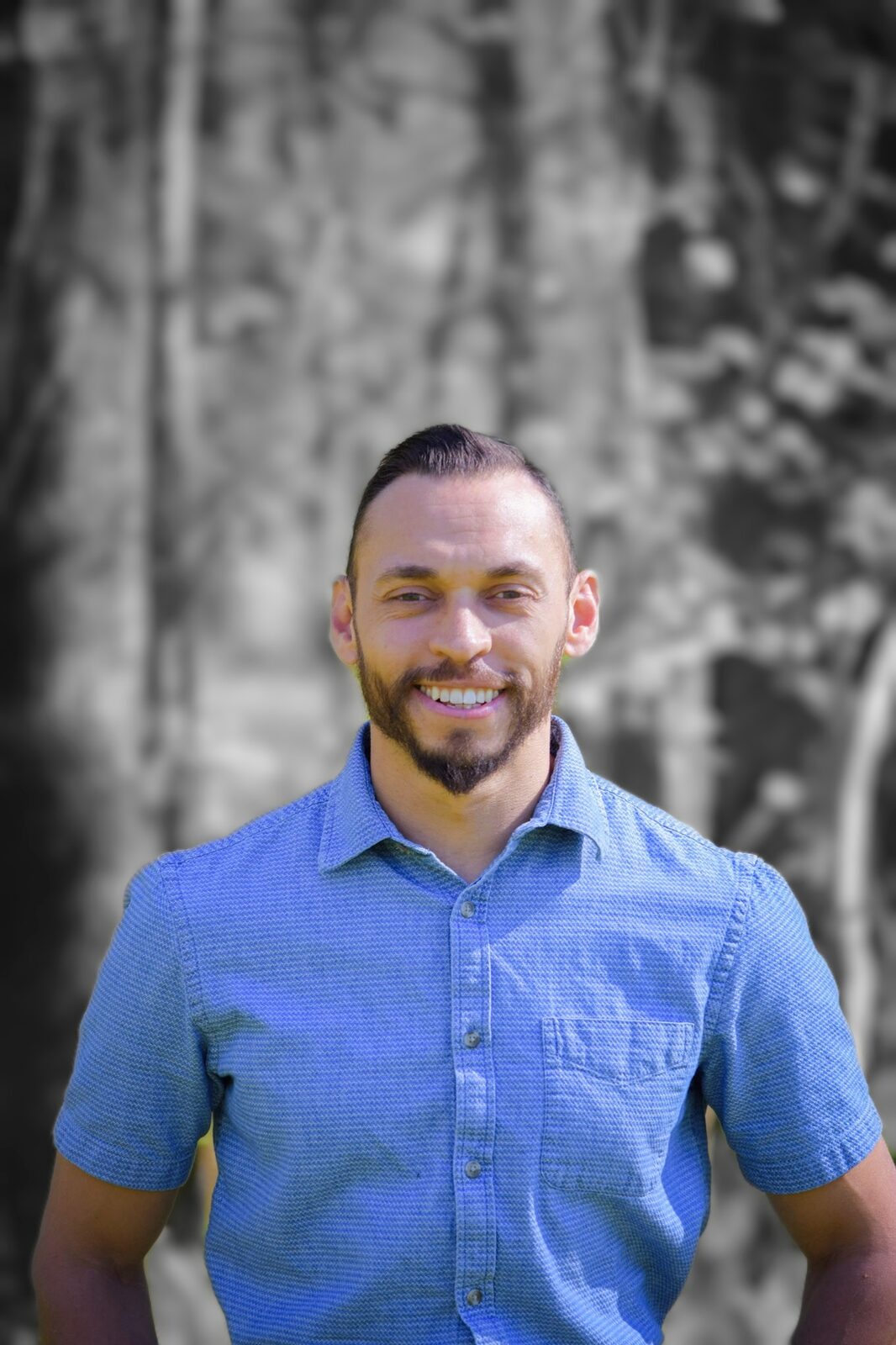
The story
I built this practice out of what I had to figure out climbing back. Here’s the story — and the work that grew out of it.
If you’re in it right now
If you’re in that place right now — the one where the walls feel like they’re closing in — I want you to know something.
You may be the only one in your life feeling exactly the way you do today. You’re not the only one who’s ever felt it. And feeling it doesn’t mean you’re broken. It means you’re a human being on a hard chapter of a long road.
So keep reading if it helps. Or close the tab and breathe. Either is fine.
Chapter 1
I didn’t even realize I was dealing with depression for most of my life. I just thought I wasn’t built for happiness. I’d be in a room full of people and still feel completely alone. I told no one how I felt. Not even my wife. I hid behind a mask.
When you feel like that long enough, you start to believe it’s just who you are.
I wore a smile when I needed to. Inside I was carrying a deep, heavy darkness. And sometimes that darkness tried to convince me it would be easier to just… stop.
Chapter 2
When I was younger, I remember thinking about how I might end my life without it looking like suicide. I didn’t want to bring shame to my family. Those thoughts came and went over the years.
But in 2017, when Anna was pregnant with our second child, the stress from work and life pulled me into one of the darkest seasons I had ever known. One day, driving in my car, I took off my seatbelt, pulled onto a one-way road the wrong way, and started to accelerate into oncoming traffic.
I didn’t even care who I hurt in the process. That’s how numb I had become.
And then, in a way I can’t fully explain, something hit me. A thought slammed into my mind like a freight train:
I didn’t believe in God at the time. I know now that was Him speaking to me.
I swerved off the road. Cars honked. But I was alive. And for the first time, I wondered if maybe, just maybe, there was another way forward.
Chapter 3
I went to my doctor and admitted some of how I had been feeling. I didn’t tell him about the suicide attempt — I was too ashamed — but I was honest enough to start getting help.
Eventually I was diagnosed with ADHD. When I began treatment, it felt like that scene in Limitless where the world goes from a muted, dull palette to bright and vibrant colors. It was the first time in a long time I thought, maybe things can change.
Not long after, I changed jobs and joined a workplace mindfulness class. I had never even heard of mindfulness before. It and meditation started to quiet my mind, reduce my anxiety, and help me think clearly.
One day they mentioned a book in class. While looking it up on Amazon, I found a video review by Brian Johnson. That led me to his site — Optimize.me, now called Heroic.us — and before I knew it, I was spending weekends learning life-changing wisdom I felt I should have been taught in school.
Between meditation, this new learning, and slowly reconnecting to church, I began to feel a spark of faith again. I started to believe God might actually be real and that maybe He hadn’t given up on me.
Chapter 4
When I joined the Heroic (then Optimize) Coach program, I heard other people talking about depression in ways that mirrored my own experience. For the first time, I realized I wasn’t the only one feeling this way.
That alone was healing.
I started making small, intentional changes:
I stopped thinking I had to take life as it came. I started to believe I had a say in how my life turned out.
Chapter 5
My lowest days now aren’t even as low as my highest days when I was depressed. I have higher highs and higher lows.
I haven’t had a suicidal thought in years. I still get negative thoughts — we all do — but I have the tools to handle them.
I have hope for the future. I know how to find joy in small moments. And I am grateful for the struggle, because it made me who I am today.
So most of all: I get to use what I have been through to help others climb out of their own darkness.
Chapter 6
Over the next few years I kept training. Heroic Level 2 Coach. Heroic Workshop Trainer. Mindvalley Business Coach. Certified Xchange Guide. Meta Performance Coaching practitioner.
So I had collected the frameworks. What I didn’t have yet was a way to put them together for the people I wanted to serve.
Then I started coaching real founders, real leaders, real humans on real chapters. And I started to notice the pattern. The leaders in front of me weren’t strategy-poor. They were drifting in a way they couldn’t see by themselves. They needed someone next to them at the helm — not to take the wheel, but to point at the compass.
That became The Wayfinder Method. 9 steps. 3 phases. The path I’d give my younger self if I could go back.
See the Wayfinder MethodIf you’re struggling right now
If you’re not here for coaching — if you’re here because something I wrote earlier landed — I want you to hear this.
There is a way out and a way forward. I know it can seem impossible. I know it feels like you’ll never enjoy life again.
So focus on one step at a time. Maybe that’s stopping one thing that’s making you feel worse and starting one thing that might make you feel a little better. Keep it so small it’s almost impossible to fail at.
You can get through this. You can do it. You’ve got this.
And when the time comes — when you’re ready to start building a new chapter — I would be honored to walk alongside you. Not to “fix” you. Just to help you see the light you already carry.
Resources: If you’re in crisis right now, please reach out. 988 Suicide and Crisis Lifeline (call or text 988 in the US).
Ready
The first step is a 25-minute Connect Call. No pitch. No pressure. We get to know each other.
Take the 3 Degrees Off Assessment · See the Wayfinder Method